



PRESENTATION OF OLEKSII ROHOTCHENKO’S BOOK “SIXTY TOTALITARIAN YEARS” HELD AT KSADA
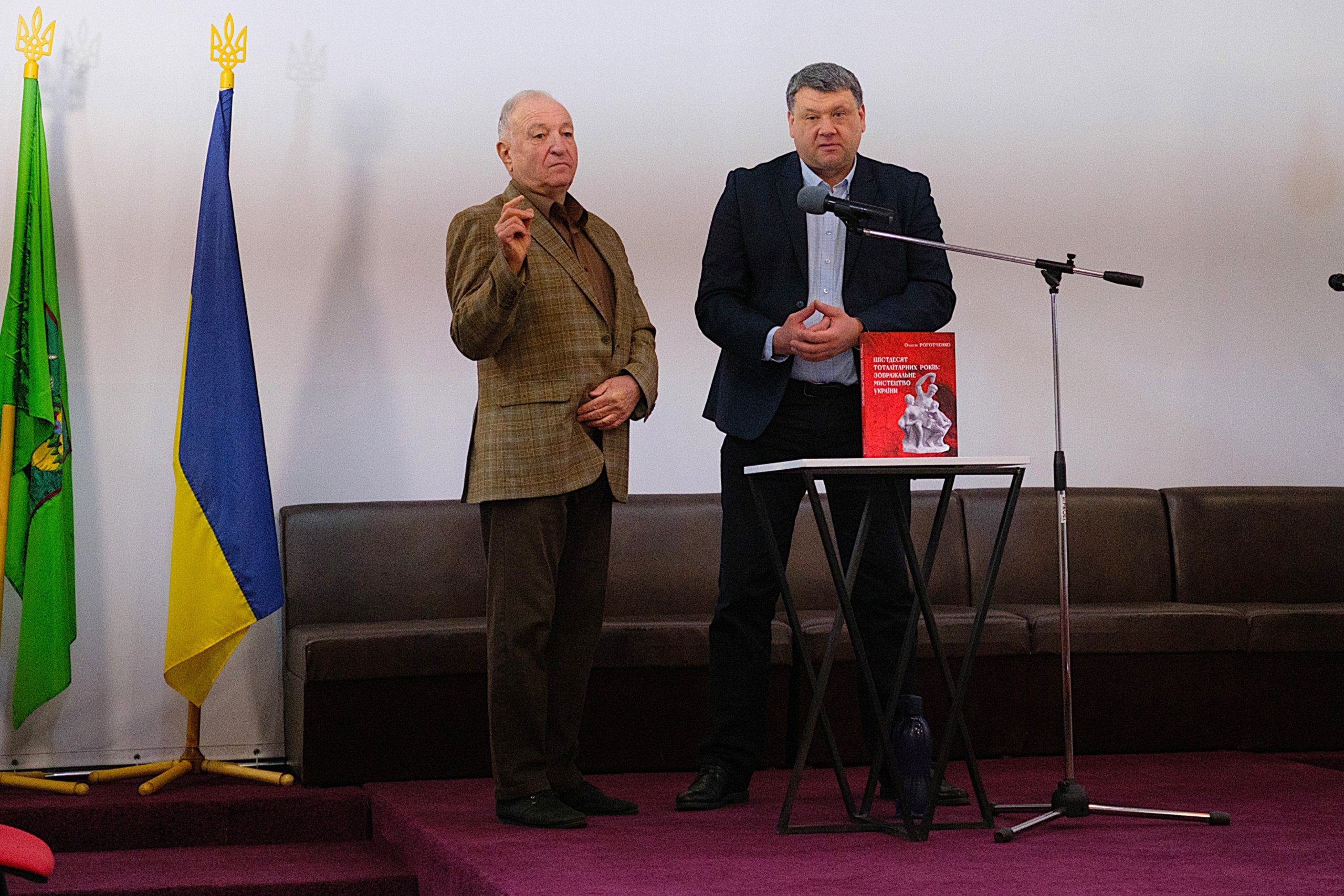
On October 5, 2026, the Kharkiv State Academy of Design and Arts hosted a presentation of Oleksii ROHOTCHENKO’s popular academic book “Sixty Totalitarian Years: The Visual Arts of Ukraine”.
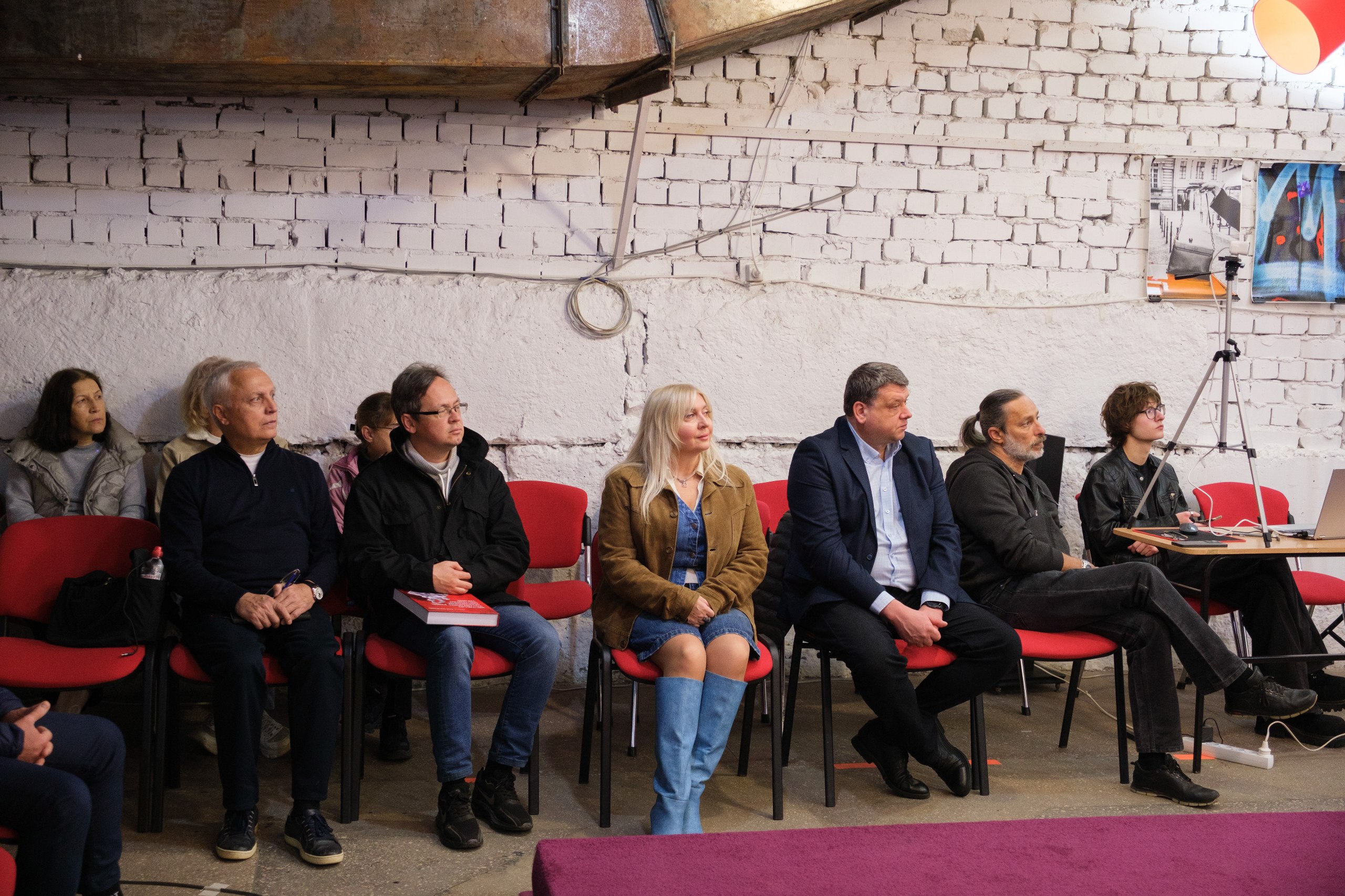
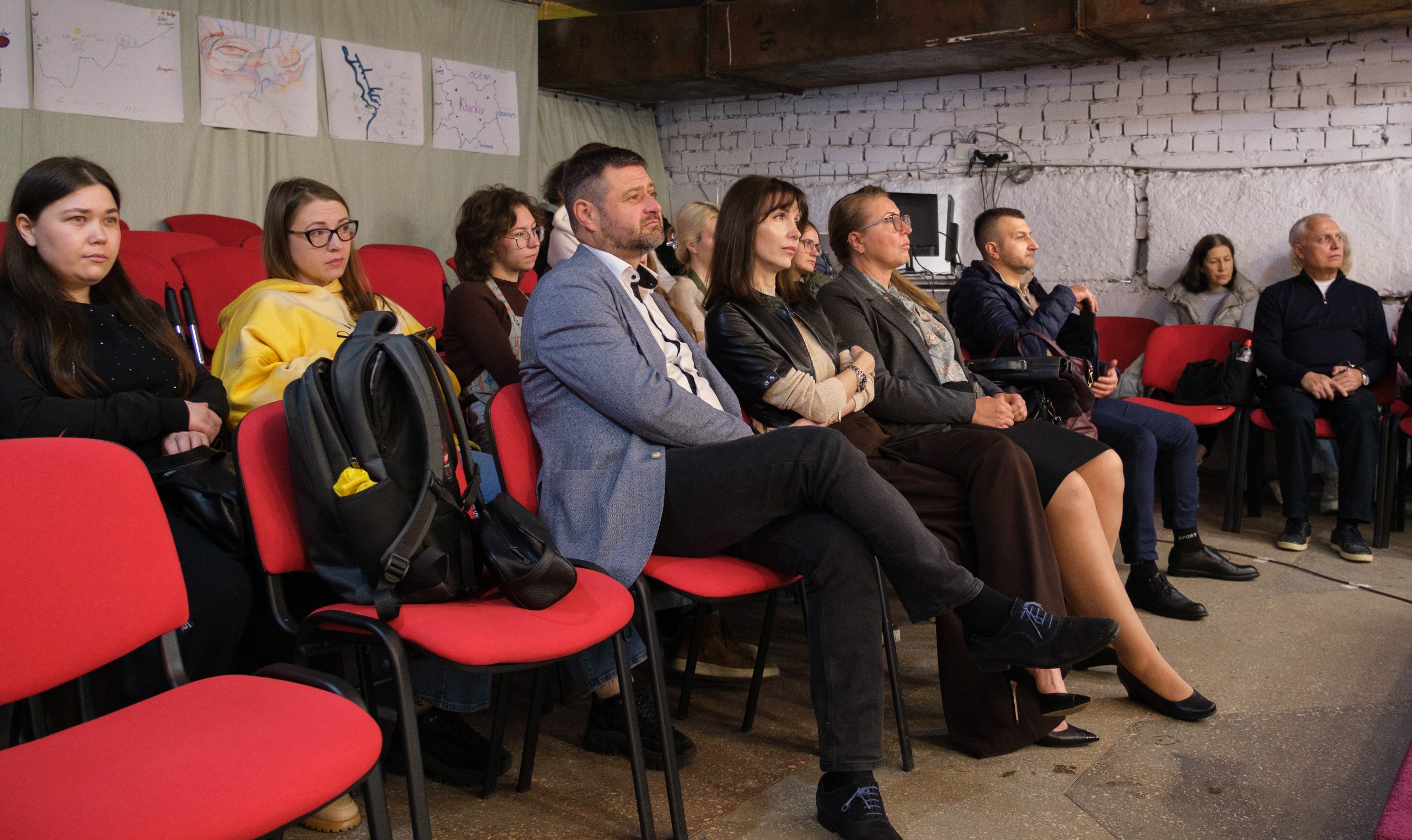
The event brought together the Academy’s lecturers, students, and staff. Numerous online participants interested in the history of Ukrainian art and the study of 20th-century cultural processes also joined the meeting.
The author personally presented his research, sharing the history of its creation, his professional and research journey, and his extensive work with archival materials and primary sources. Oleksii Rohotchenko paid particular attention to the fates of Ukrainian artists whose lives and creative work were disrupted or destroyed by the totalitarian regime, as well as the numerous obstacles creators faced during that period.
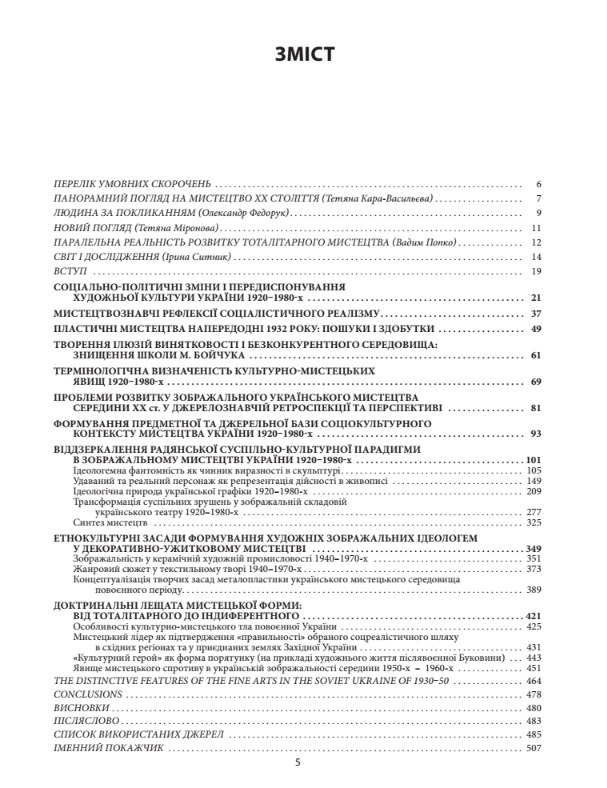
“Sixty Totalitarian Years: The Visual Arts of Ukraine” is dedicated to the study of Ukrainian visual arts and architecture of the 1920s-1980s — a complex period in Ukrainian history marked by totalitarian practices, the Holodomor, political repressions, World War II, ideological control over culture, the dominance of Socialist Realism, the “Khrushchev Thaw”, and the rise of non-conformism.
A significant part of the research focuses on the dependence of artists on socio-political circumstances. The author traces how ideological control affected the themes, artistic language, and professional lives of artists, imposing strict limits on creative exploration while simultaneously fostering various forms of artistic resistance.
During the meeting, participants discussed Ukrainian artists who faced repression, persecution, and other forms of pressure, as well as the destruction of artistic schools and creative communities. The tragic fate of representatives of the Ukrainian avant-garde received particular attention.
The book also explores the development of painting, graphic art, sculpture, theatre and decorative and applied arts, ceramics, textiles, metal art, and the synthesis of the arts. The research is supplemented by documents, artworks, and other materials, some of which are being introduced into academic discourse for the first time.
Another key focus of the discussion was Ukrainian cultural identity as a means of preserving national artistic tradition under ideological pressure. The author presented his own perspective on the complex and contradictory processes that shaped Ukrainian art over the course of six decades.
The meeting served not only as a book presentation, but also as an open discussion of historical memory, the lives of artists, and the need to reassess the 20th-century artistic heritage. For KSADA students and lecturers, the opportunity to interact directly with the author and hear him recount his many years of work on the book proved particularly valuable.
The publication “Sixty Totalitarian Years: The Visual Arts of Ukraine” will be of great interest to art historians, cultural studies scholars, researchers of Ukrainian art history, students of higher arts education institutions, and a broad audience interested in the history of Ukrainian culture.
Photo report: Davyd PONOMAROV