PROJECT OUTCOMES: “PLACE OF PRESENCE: MEMORY, CREATIVITY, LIFE” AT KSADA
As part of the project “Place of Presence: Memory, Creativity, Life”, implemented by the Kharkiv State Academy of Design and Arts with the support of the Ukrainian Cultural Foundation, a series of educational and practical events dedicated to contemporary Ukrainian type culture, Cyrillic typography, and calligraphy was held.
The aim of the programme was to present and promote contemporary Ukrainian type culture and to draw attention to the potential of Cyrillic typography as an important component of contemporary visual culture and a tool for national self-identification.
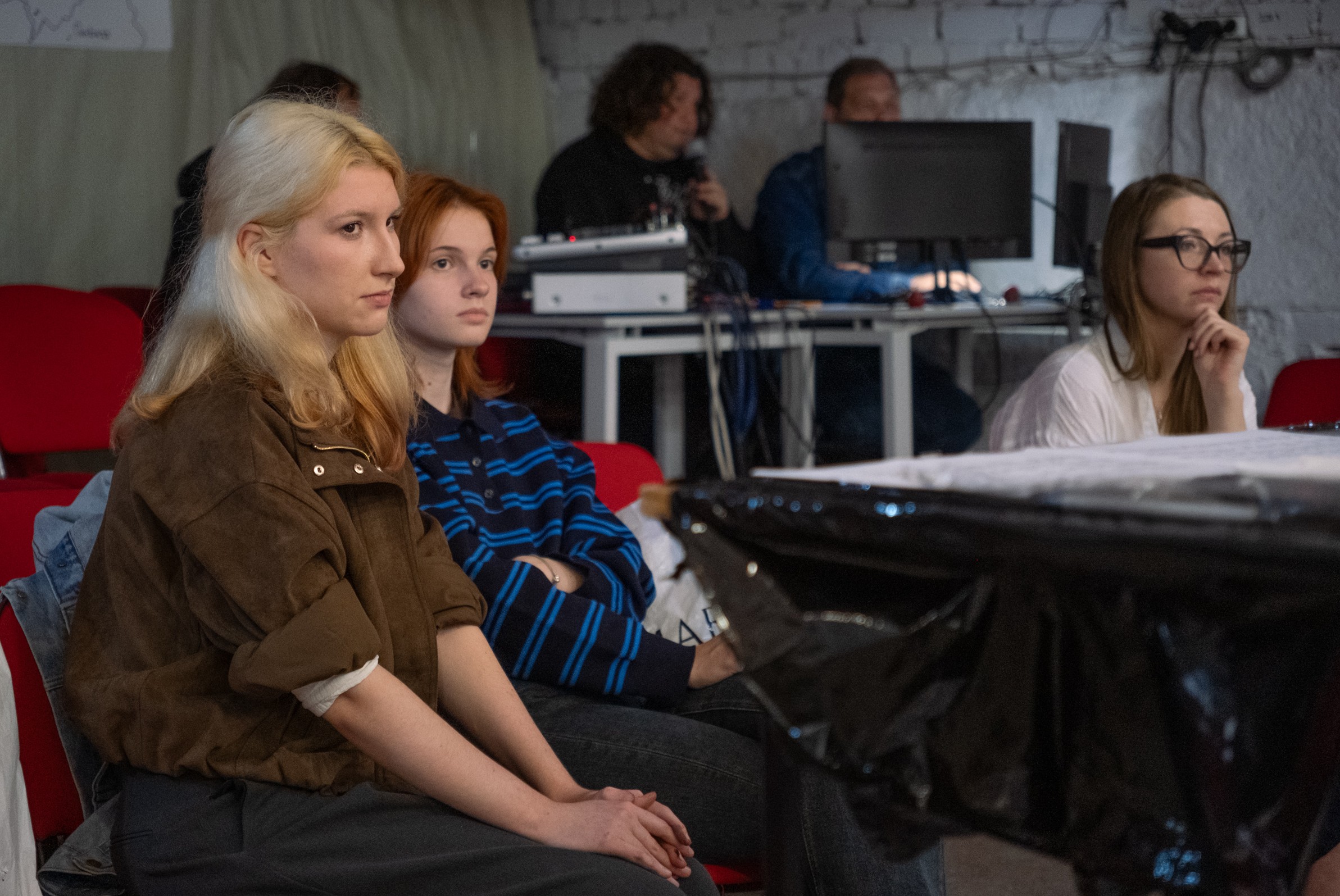
The programme included a lecture entitled “National Self-Identification through Type Design”, focusing on Ukrainian type culture, the development of Cyrillic typography, and its role in shaping an authentic visual space. Particular attention was paid to rethinking the heritage of type design and exploring a contemporary Ukrainian visual language as one of the ways of challenging imperial visual canons.
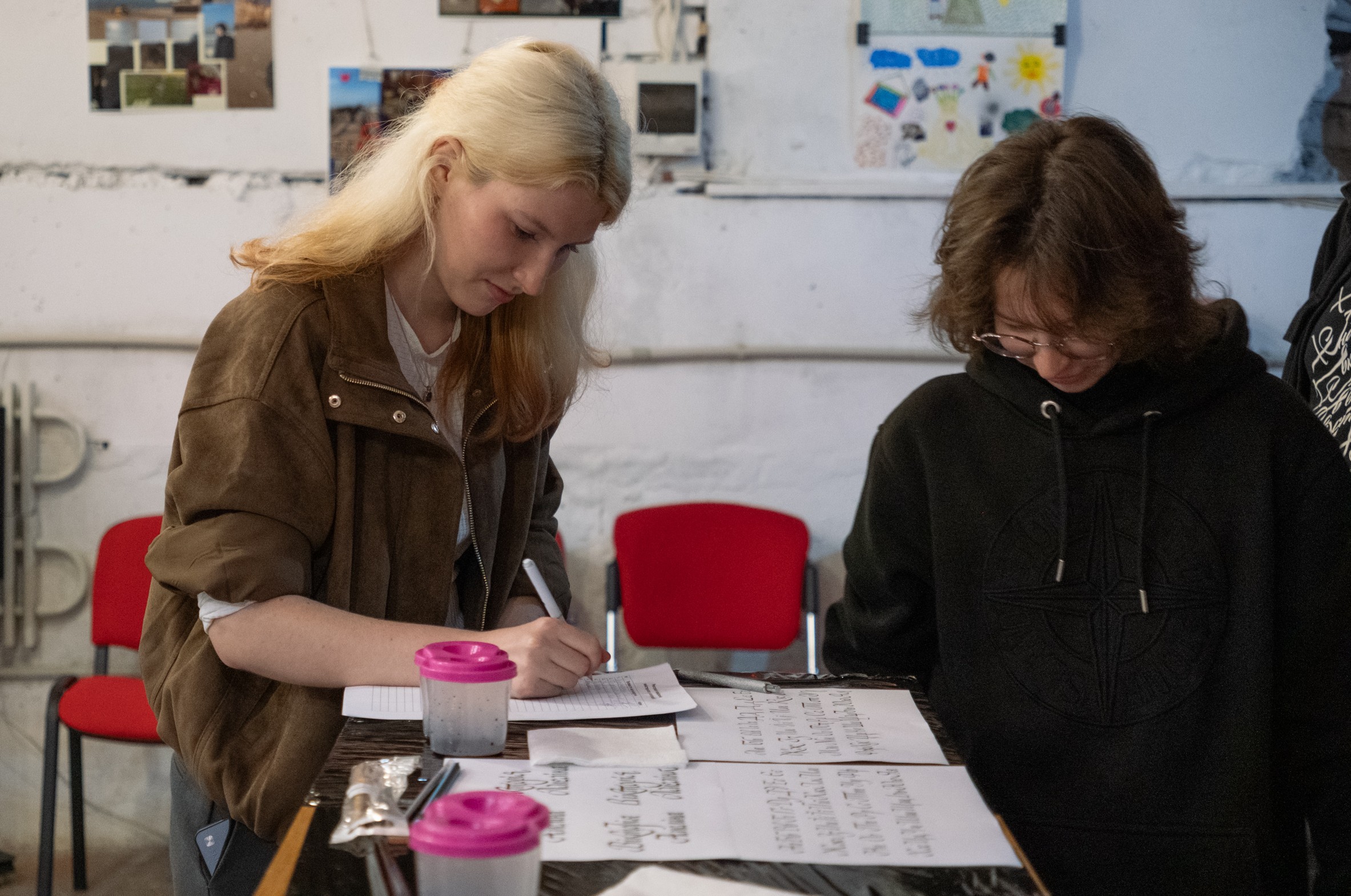
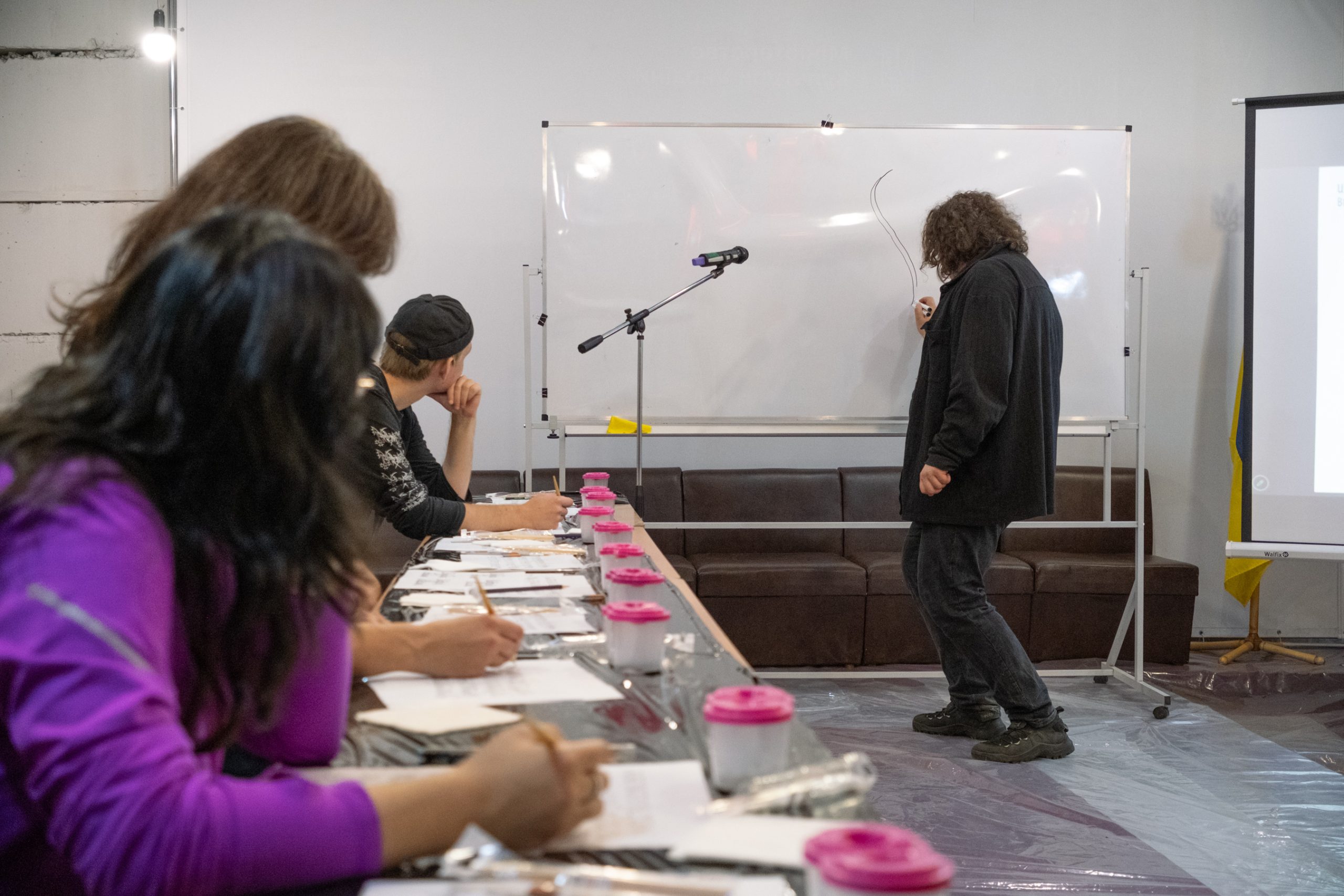
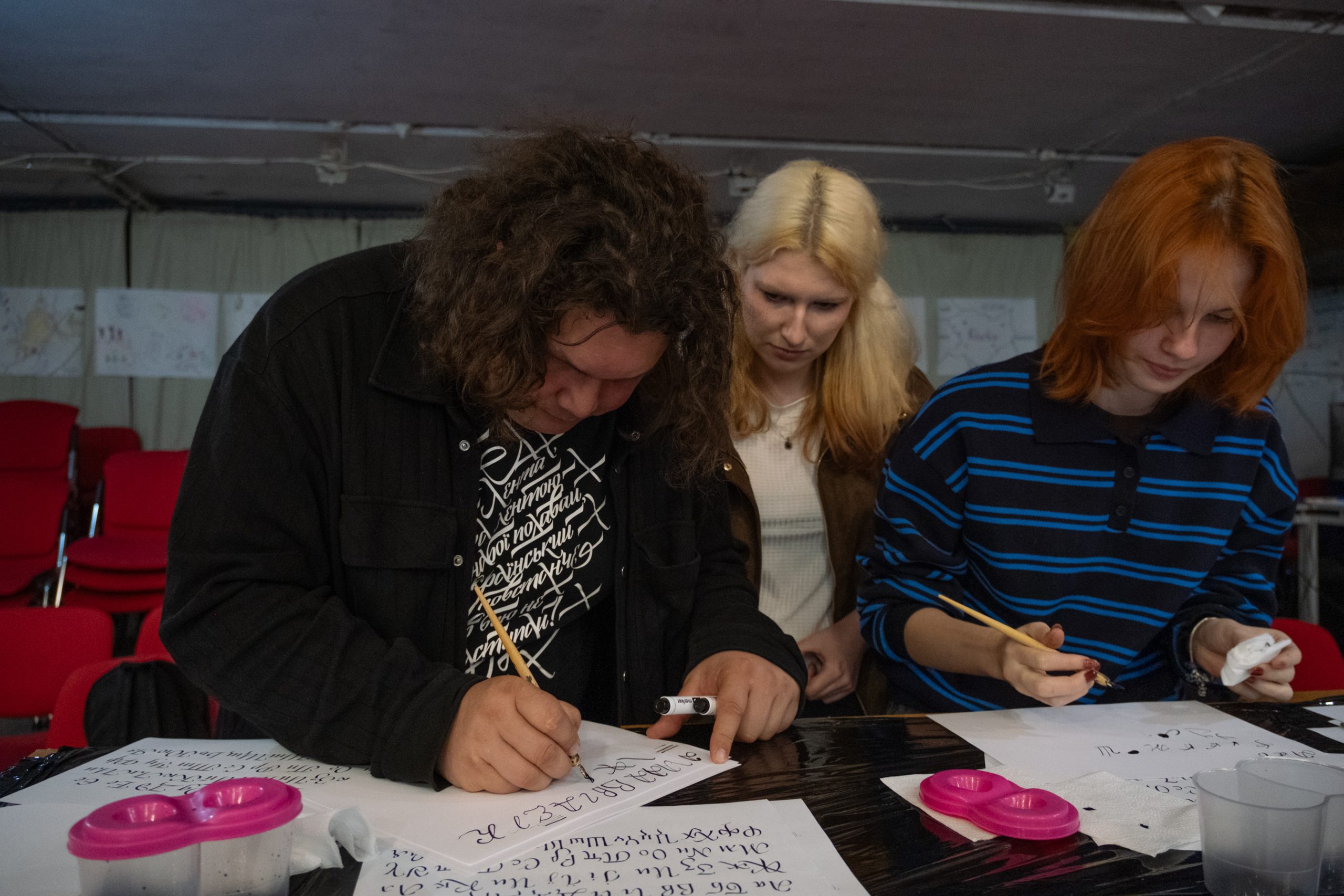
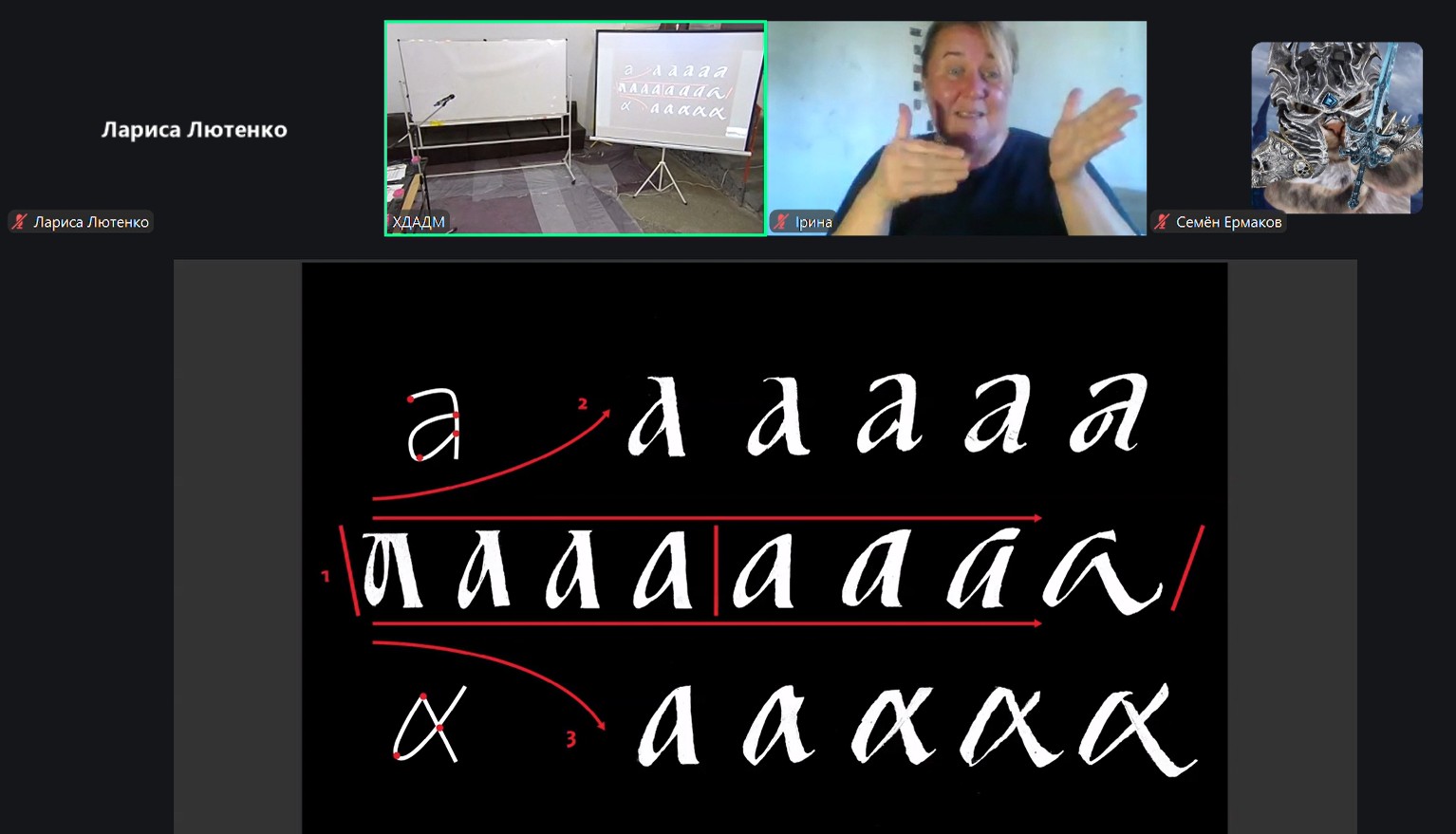
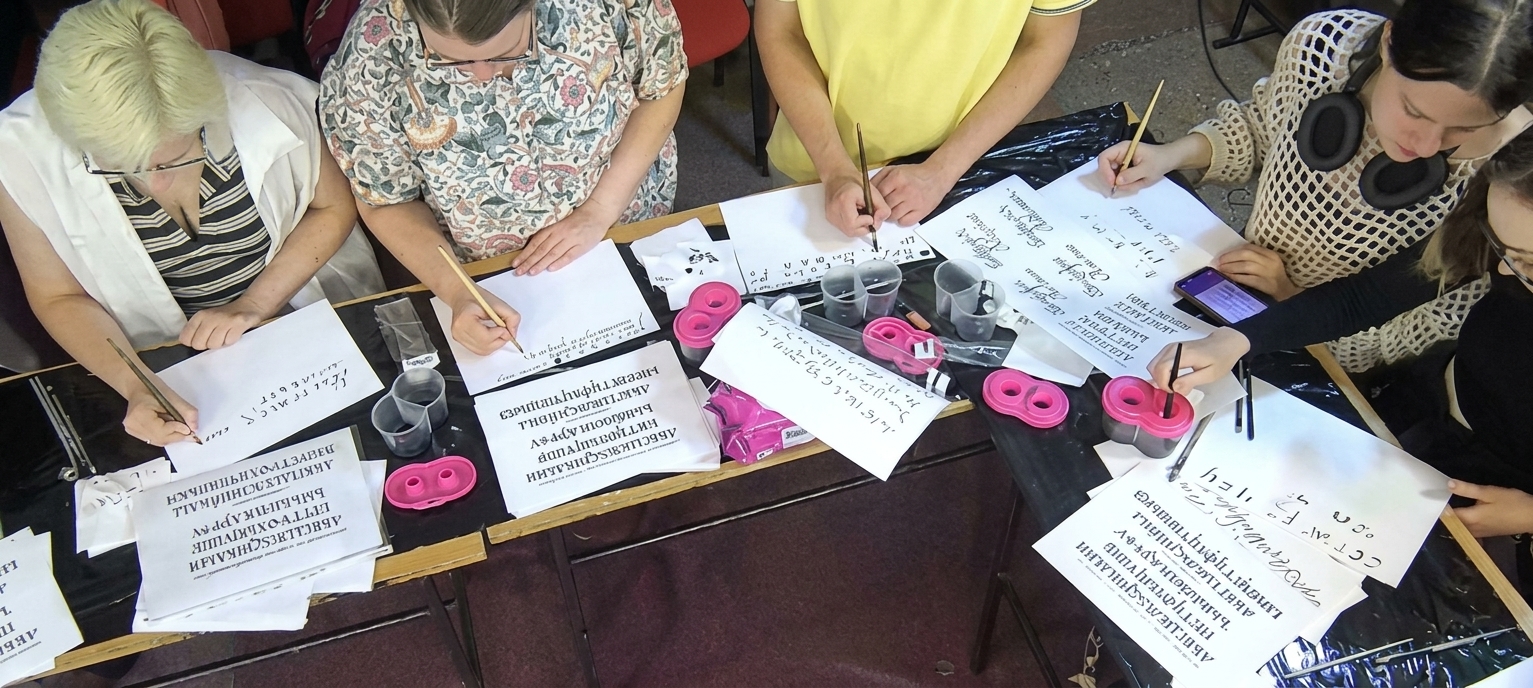
On September 17 and 18, two masterclasses on calligraphy and Cyrillic typography were held in a hybrid format. They were led by Oleksii CHEKAL, Lecturer at the Department of Graphic Design, typographer, calligrapher, and author of numerous projects in graphic design, type design, and visual culture.
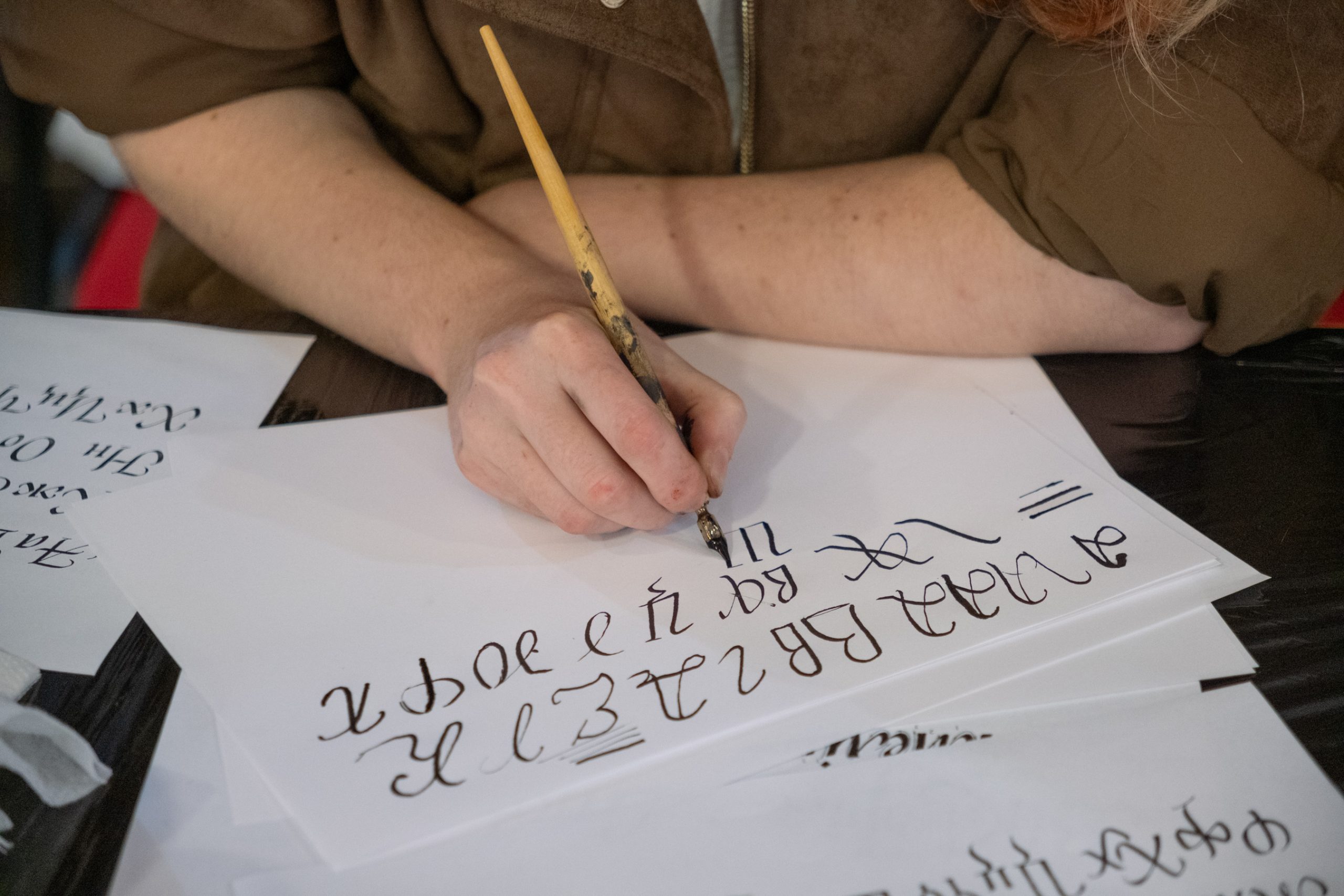
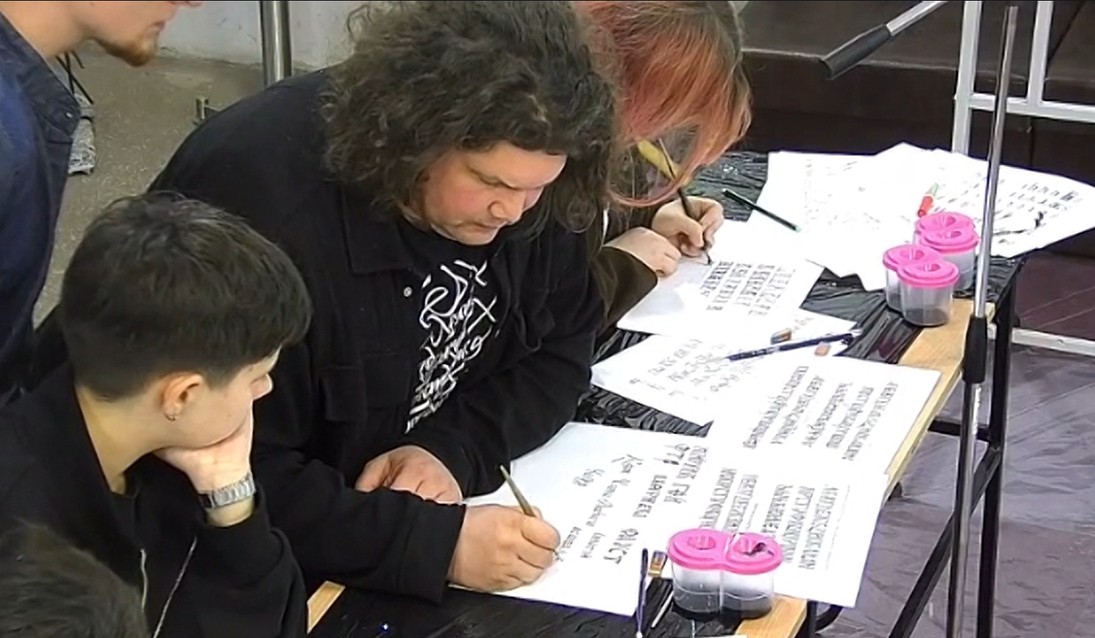
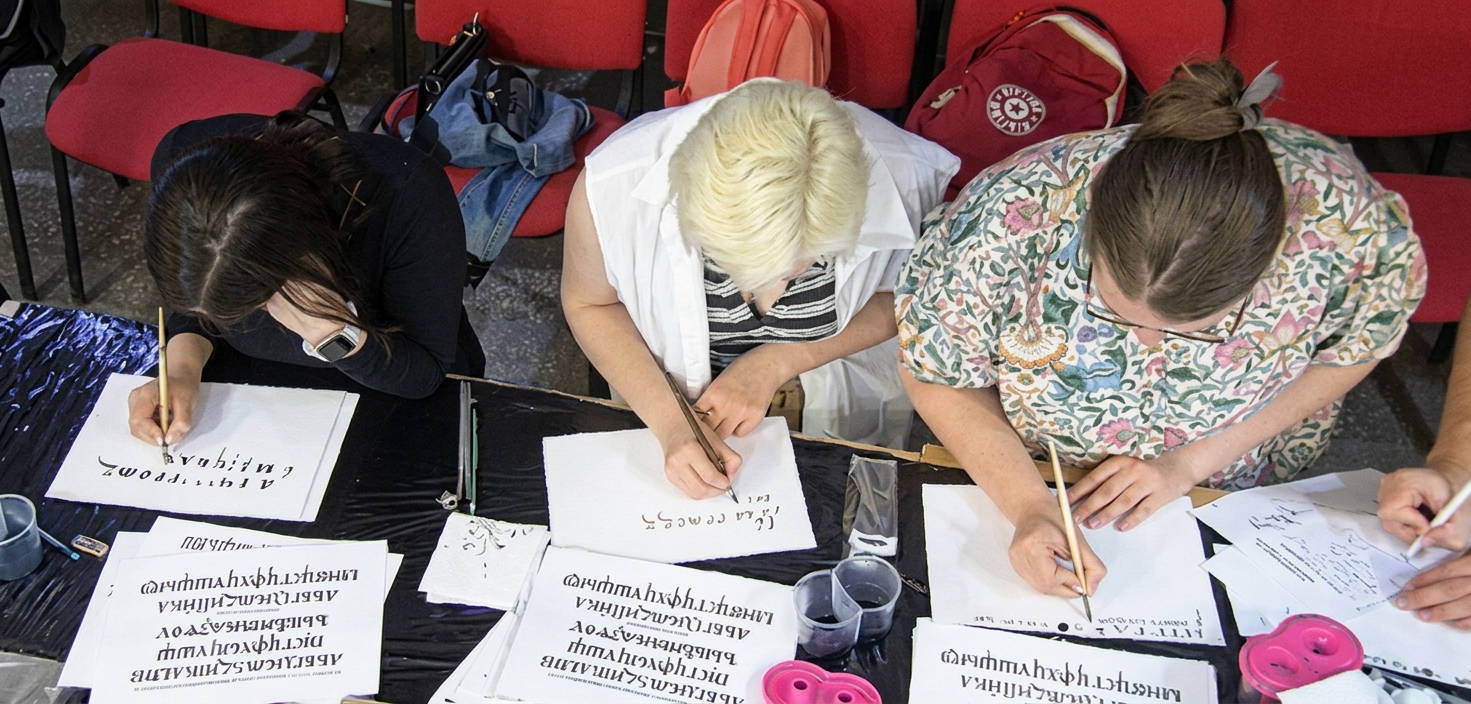
During the practical sessions, participants had the opportunity to observe the master at work first-hand, exploring the form and visual character of Cyrillic letterforms, the quality of the line, rhythm, composition, and the interaction of individual graphic elements. Through calligraphy practice, participants were introduced to the fundamental principles behind type creation and its application in contemporary graphic design. Calligraphy was thus presented not merely as the art of writing, but as an essential tool for developing a visual language and reflecting upon Ukrainian cultural identity.
The programme concluded with an online meeting with Oleksii CHEKAL on September 22, during which participants continued the discussion on contemporary calligraphy, Cyrillic typography, type design, and professional experience in working with letterforms. The session provided an opportunity to discuss the creative and professional aspects of the work of a modern designer and calligrapher.
Accessibility was an important part of the programme. One of the masterclasses and the online meeting on September 22 were held with the assistance of a sign language interpreter, which enabled people with hearing impairments to participate fully and helped to foster an inclusive cultural and educational environment.
A total of 390 participants joined the events: 360 online and 30 in person. The programme brought together students, emerging designers, artists, and everyone interested in type, calligraphy, typography, and contemporary Ukrainian visual culture.
The events provided a space for professional dialogue, practical exploration of calligraphic techniques, and reflection on the role of Ukrainian type in shaping contemporary cultural identity.
We express our gratitude to Oleksii CHEKAL for his professional expertise, openness, and for the opportunity to gain a deeper understanding of contemporary Ukrainian type culture, as well as to all participants for their active engagement and interest.
Photo report: Davyd PONOMAROV